
What an Outsider’s Experience Can Teach Us About Memorial Choice
A conversation in Los Angeles showed how hard it can be for a family to find a memorial option they don’t know exists — and what that means for the people who guide them.
By Ashley Montroy ·
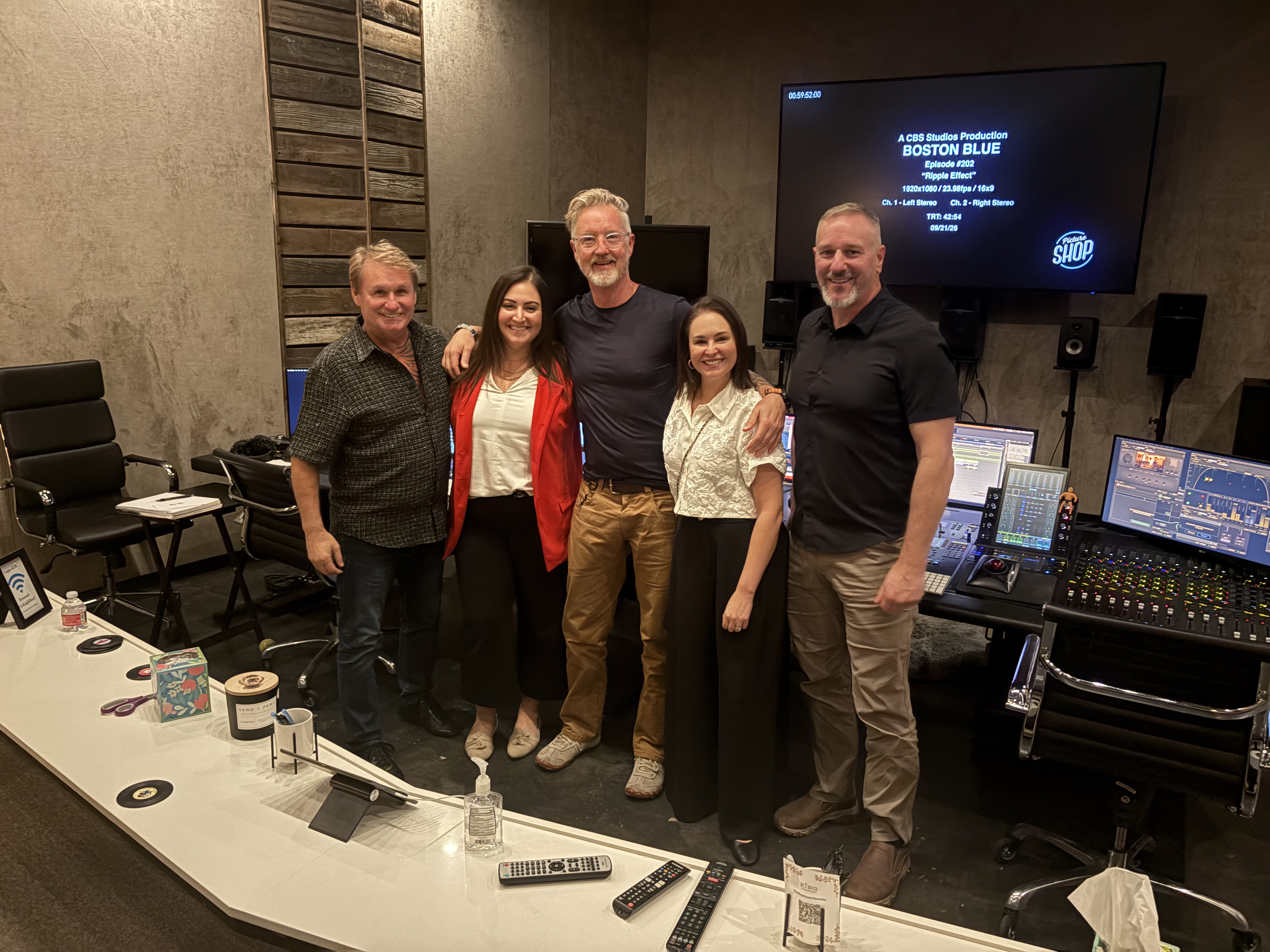
Three years after his wife died, her urn was still on a shelf. He wasn’t sure what to do with her ashes, or whether his daughter would want to take them one day.
That was the part of a conversation in Los Angeles that stayed with me.
We were meeting with one of our Life’s Song™ partners, who works in sound for film and television. I asked what he thought of funeral service as someone coming from a different industry. His answer brought us back to his own experience of loss.
He spoke positively about the funeral home. When it came to choosing a memorial, though, he hadn’t found anything that felt like his wife. He searched online, hoping something would speak to him. Eventually, he chose an urn that was okay.
Three years later, he was still thinking about what else might be possible.
The difference between offering a choice and helping someone discover it
His experience raised a practical question for me: how does a family find an option they don’t know exists?
Someone working in funeral service may have seen memorial possibilities that a family has never encountered. A person arranging a funeral brings a different starting point. They know what they have seen before, what someone shows them and what they can think to search for.
An urn is familiar. A painting that incorporates cremated remains may not be. If someone has never heard of the idea, they are unlikely to type it into a search bar.
This man had made an effort to find something personal. He had looked at the choices in front of him and continued searching on his own. He still hadn’t found something he could picture as a fitting way to remember his wife.
One person’s experience cannot tell us what every family wants. It can help us look more closely at how we introduce the possibilities.
A conversation made the idea concrete
When we talked about memorial artwork through Tribute Art™, he began to imagine a painting in his new home. He thought his daughter might appreciate a piece of art in her home, too.
What interested me was how specific his response became. He could picture where the artwork would go and how it might fit into his daughter’s life. This was a possibility he wanted to consider, not a decision he had already made.
For another family, an urn may be exactly what they want. The useful part of this conversation was giving him another idea to consider in relation to his own life and the person he wanted to honour.
Making discovery part of the care
Funeral homes have an important place in these conversations. He had valued the care he received. Hearing that alongside his uncertainty about a memorial reminded me that a positive funeral-home experience can still leave room for another conversation later.
For a funeral home looking at how it presents memorial choices, there are a few useful questions to ask:
- Would someone encountering this option for the first time understand what it is?
- Does the explanation help them picture how it might fit into their life?
- Can they find the information again after they leave, without needing to remember an unfamiliar product name?
- Is it clear who they can contact if they want to return to the conversation months or years later?
Those questions apply to the website as much as the arrangement conversation. A clear explanation gives someone a place to begin and something they can revisit or share with family.
Leaving room for a later conversation
He had chosen an urn three years earlier. That choice had not ended his interest in finding a way to remember his wife that felt more personal to him.
His story stayed with me because the question was so concrete. He wanted something that felt like her, and he had struggled to find it.
Helping people discover more possibilities is work worth doing with funeral homes. Their guidance can help a family understand an unfamiliar idea, ask questions and decide whether they want to explore it further.
If you would like to talk about how your funeral home introduces memorial choices to families, contact The Memorial Collective™. We would welcome a conversation about what families are asking and what you would like to help them discover.